Showing posts with label seat bridge. Show all posts

Friday, 11 April 2014

New hiking board for the 16/30

I love this boat, and cant resist taking photos of it. During the original build, the intent was to build a sliding seat to run on the seat bridge using leftover ply and pine from the hull build. Problem has been that the tiller posts were cut too short, necessitating that the seat and bridge assembly be low enough so that the crosshead assembly would pass over it.  Terribly uncomfortable for us guys over 6', and who dont bend like they used to. The seat bridge was rushed, and not my best work. I've always wanted to redo it, and with the next week off and wanting to sail more this summer its begun. 


At Killbear, coolest place there is. 


Clatyon, NY with the late Danny Sutherland taking her out for her sea trials after completion, 2007


Killbear again, a great photo by Fitz from Mass. 


The late Jan Gougeon, of West System fame, after sailing her for a few hours


Ugly, quick seat bridge made of ash. Soon to be removed. 


A properly fitted and shaped seat bridge on an original raceboat


Closeup of the sliding seat from the oldie. 


Single board, with ash cleats under to slide along the seat bridge. Not too heavy, not too wide.
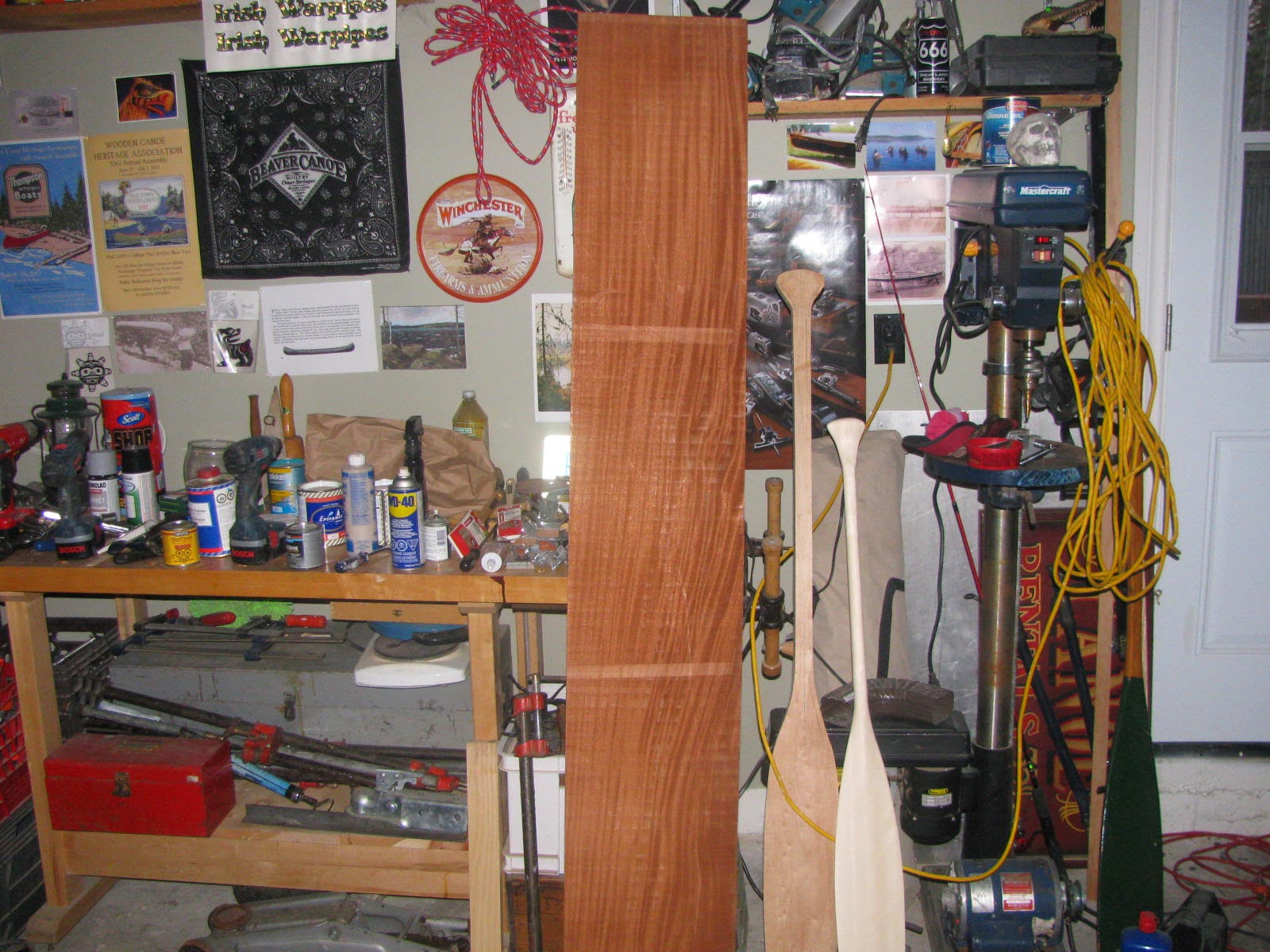

Seat bridge will be Sipo, but this African Mahogany board will be our new seat. It will match the coaming, also African Mahogany. 


Dusty old girl, seat bridge ripped off immediately!


Yuck. Early rush effort, the re-do a long time coming. 


New bridge will slot right in, but with increased height. 


Sanding and leveling old varnish


Original seat alongside new seat blank


View of cleats


In place on boat. Much narrower than the original i built, but much prettier and lighter. 


Rails will need relieving, courtesy of the router table. 


An original seat bridge, to be copied.

Mahogany seat bridge parts cut out


African mahogany seat


New, much better than old - higher and lighter


Ash rail stock for under seats 
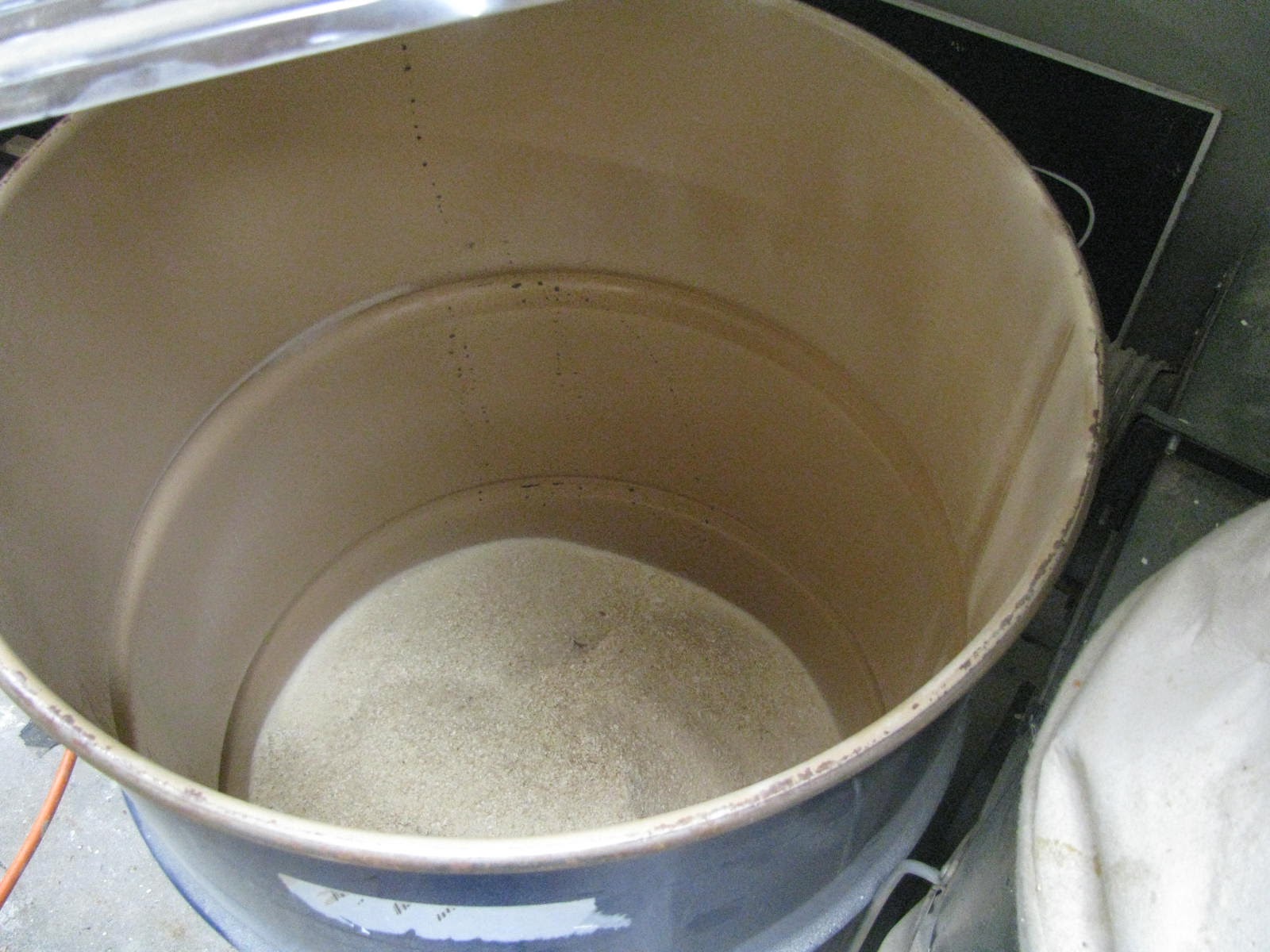

New cyclonic dust and waste collection. The $175 drum. Whats that, i thought i paid $20 for it? Yup, and add the cell phone ticket some *#@ cop decided to lay on me while i drove out to pick it up.


Cuts the dust much better than any shop vac, and huge capacity.

Paging Dr Freud....


Dry fit


Looking better, historically more accurate as well


Dry fit of rails to check clearances


Success


Secure rails, sand all parts stain and varnish. Then hardware relocation.

Progress this weekend, parts fit, taken off for sanding and staining.

Nice grain from the African Mahogany


Seat bridge supports


Stain still wet, same wood as coaming. Varnish coming up.

Dramatic colour change.

Much nicer than the first effort 

Lots of varnish work coming up, including wanigan sides.


Widgeon displaying higher seat bridge


Another view, with shaped knees supporting from underside


Close up detail


Different method of fixing supports to hull with cleat on cockpit side. Later 16/30s  including ours have an adjustable seat bridge, with holes in the cleat allowing fore and aft movement through long bolts and wing nuts. 

Gilbert built 16/30 our replicas are copies of, again displaying higher bridge. 

New bridge


Starting to shine, 4 more coats and cockpit to do


She'll be ready before the water is, now to start on the traile...

3rd coat sanded


4th coat sanded, on to #5

Sunday, 17 March 2013

My own Sailing Canoe restoration


I've written much about this boat, pulled from the woods on the shore of a small lake south of Ottawa, and its been over 7 years since it first found its way into the shop to dry out and wait its turn for attention. Some of my favourite pictures are of the day it was retreived from a fate of slowly rotting away. Indeed, had it not been canvas covered and abandoned off of the ground on large boulders, it would have been but a pile of rot like we've seen so often. Even moving boats that have settled into the forest floor essentially destroys them after years of being covered with snow and rain while sitting on the ground. This one had a different fate.


Lifting it onto the roof was a chore, and we didnt have the trailer at the time! Waterlogged and covered in canvas, it probably weighed close to 300 pounds; dried out it still weighs about 150.

Torn canvas reveals a weathered section, testament to its long slumber in the woods. Judging by the muck and green patina from the cedars, it had been in the woods likely several generations since it had last been sailed and when it was found. 


Re-rigged at some point in its life, no sailing rig or rudder, steering gear or centerboard was anywhere near it. Presumably it was separated at the time it was abandoned. 
 Initial investigations showed some very crude work, prompting some to denote it as home built, however its hull shape betrayed a more thoroughbred lineage. Not a cruising canoe or a lazy sort of design for leisurely crusing, it nevertheless didnt appear as a full out racer.  Some searching of plans provided a hint at its true purpose, as it more closely resembled hulls of the type seen below. 
Old Glory, a hull drawn by prolific and noted yacht designer BB Crowninshield. Undercut bow and stern, lots of rocker and ketch rigged. 


Uncle Sam, another hull of a similar type, both being drawn at the early part of the last century, early 1900s.


A cluttered photo, you can nevertheless see the lines and sheer despite the awkward coaming.


Nice amount of rocker, and sternpost.


Although canvas covered and built this way, as boards are gapped and have no battens backing them up, the boat is planked and decked in butternut. Used on very early Canadian boats, the planks are full length at 17' long. A comparison with a modern butternut paddle shows the unmistakable wood. 


UPDATE! brought home sails from the Assembly this year, now to get this project back and running


Main and mizzen, headed for a long soak in Oxy Clean to bring the brightness back


An undersized 16/30 set made by Douglas Fowler, they will provide all the power this hull needs


Around 70 sq feet combined, down from the typical 90 for better manners


A clamp on sliding seat of the type to be built for this boat. A permanent seat  bridge, even a moveable one with coaming cleats and multiple positions, would not be right for this boat. The earliest available units would have been clamp on boards


A very early board, with great attention to detail. Underside shot showing the bar under the bridge that clamps on to the coaming


Extended to one side


Butterfly inserts, likely to prevent warping or splitting


Nice and simple


Wing nut and bolts


Top side of bridge. 
A great piece, but couldnt stick around long enough to find the owner, and it sold to another. Not a problem, we've dimensions and enough photographs for duplication

Another move forward, white oak for all new ribs in the sailer. Older air dried stock , this will bend up very well before taking all new rivets. This came out of a barn in Muskoka during yet another trip to retrieve a canoe